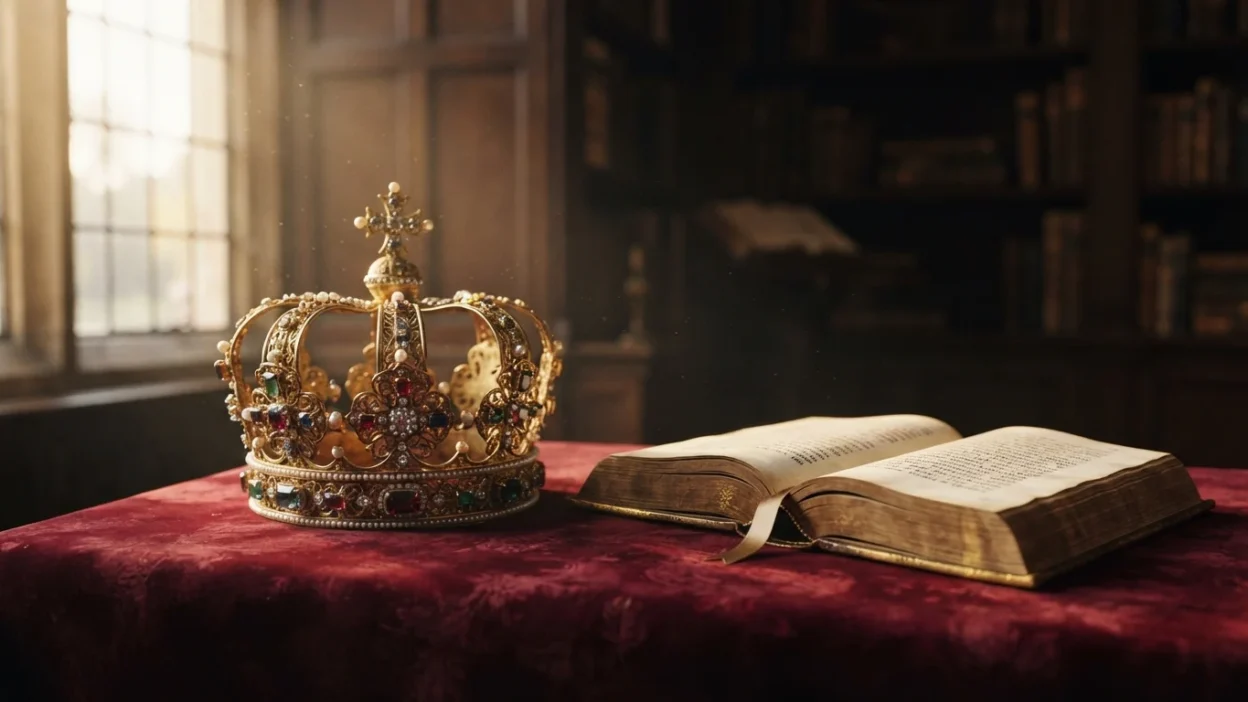
Crown symbolism has fascinated people for centuries because crowns are closely connected with power, honor, leadership, achievement, and status. From royal ceremonies to religious art and modern designs, a crown often represents something valuable that has been earned, inherited, protected, or placed above ordinary things.
The meaning of a crown can change depending on its color, material, culture, and context. It may symbolize authority and victory, but it can also represent responsibility, spiritual reward, dignity, or personal accomplishment.
Understanding crown symbolism reveals why this simple object continues to appear in history, religion, literature, art, dreams, and everyday life.
Crown Symbolism Meaning (Clear Definition)
Crown symbolism refers to the meanings associated with a crown as an object or visual symbol. Traditionally, a crown represents authority, leadership, honor, achievement, victory, royalty, and elevated status.
A crown is placed above the head, which can give it an additional symbolic connection with thought, identity, wisdom, and higher purpose.
| Crown Symbol | Common Meaning |
|---|---|
| Royal crown | Authority and leadership |
| Golden crown | Wealth, honor, success, or glory |
| Crown of flowers | Beauty, celebration, nature, or renewal |
| Crown of thorns | Suffering, sacrifice, and endurance |
| Jeweled crown | Wealth, prestige, and status |
| Crown placed on the head | Recognition or authority |
| Broken crown | Lost power or changed identity |
| Crown in dreams | Achievement, confidence, or responsibility |
Because symbols depend on context, a crown does not have one universal meaning.
What Does a Crown Represent?
A crown commonly represents power, recognition, achievement, leadership, dignity, and responsibility. Its symbolism comes largely from the way crowns have historically been associated with rulers and important ceremonies.
Power and Authority
One of the strongest meanings of a crown is authority. Kings and queens traditionally wore crowns to communicate their position and connection to a ruling institution.
For this reason, seeing a crown can symbolize having influence, accepting responsibility, or being placed in a position of leadership.
Honor and Recognition
Crowns can also represent recognition. A crown may symbolize that someone has reached an important milestone or has been honored for an accomplishment.
In this sense, crown symbolism is not necessarily about political power. It can simply represent appreciation, excellence, or achievement.
Victory and Achievement
A crown can symbolize winning or overcoming challenges. In historical and artistic traditions, crowns have sometimes been associated with victory and triumph.
This gives the symbol a positive connection with perseverance and reaching an important goal.
Responsibility
A crown is not only a symbol of privilege. It can also represent responsibility.
A ruler wearing a crown is expected to make decisions and care for others. Therefore, a crown may symbolize the weight that comes with leadership and success.
Spiritual Meaning of Crown Symbolism
Spiritually, a crown can represent higher purpose, divine reward, spiritual victory, dignity, and the completion of a difficult journey.
Many spiritual interpretations connect the crown with something that is received after perseverance rather than simply something that is possessed.
A crown may therefore encourage a person to think about what kind of life they are building and what values they want to carry forward.
Spiritual Victory
A crown can symbolize overcoming difficulties while remaining committed to one’s values.
Rather than representing physical power, the crown may represent inner strength, patience, wisdom, or spiritual maturity.
Divine Reward
In religious symbolism, crowns can represent rewards associated with faithfulness, righteousness, or eternal life. The exact meaning depends on the religious tradition and the specific text or artwork.
Higher Purpose
Because a crown sits above the head, it can also symbolize elevated awareness or purpose. In spiritual interpretations, this may suggest seeking wisdom and living according to principles greater than personal ambition.
Biblical and Religious Meaning of Crown Symbolism
The Bible uses crown imagery in several different ways, so there is no single biblical meaning for every crown.
In Scripture, crowns can represent royal authority, honor, victory, reward, glory, and imperishable life, depending on the passage.
The New Testament frequently uses crown imagery in connection with perseverance and spiritual reward. For example, James 1:12 refers to the “crown of life” in connection with enduring trials faithfully.
The Book of Revelation also contains several crown images, including crowns associated with authority, victory, and heavenly symbolism.
Another important biblical image is the crown of thorns placed on Jesus before the crucifixion. In Christian tradition, this crown is strongly associated with suffering, mockery, sacrifice, and the passion of Christ.
Therefore, biblical crown symbolism can include both glory and suffering. The surrounding passage is important when interpreting it.
Crown of Thorns Symbolism
The crown of thorns has a particularly powerful place in Christian symbolism.
Rather than representing earthly royalty, it is connected with suffering, humiliation, sacrifice, and endurance. At the same time, Christians may interpret it in relation to Christ’s kingship and victory.
This creates a meaningful contrast: a crown, normally associated with honor, becomes an image of suffering while still carrying associations with kingship.
The crown of thorns can therefore symbolize sacrifice, endurance, humility, suffering, and spiritual victory.
Crown Symbolism in History and Culture
Crowns have appeared across many societies and historical periods. Their forms have varied widely, from simple bands and wreaths to elaborate jeweled objects.
In European monarchies, crowns became important symbols of royal authority and ceremonial tradition. Different crowns could represent different kingdoms, offices, or historical institutions.
Ancient cultures also used head ornaments and ceremonial crowns to communicate status, religious significance, or association with a particular ruler.
Wreaths made from leaves or flowers are another important tradition. Laurel wreaths, for example, became associated with achievement and victory in ancient Greek and Roman contexts.
Over time, these traditions influenced modern ideas of crowns as symbols of success and distinction.
Crown Symbolism in Literature and Art
Writers and artists often use crowns to explore themes of power and identity.
In literature, a crown may represent the desire for authority, the burden of leadership, or the consequences of gaining power. A character receiving a crown may be entering a new stage of life, while losing one can symbolize a dramatic change in status.
Artists may use crowns to communicate royalty, holiness, triumph, sacrifice, or social hierarchy.
A crown can also be used ironically. A character who appears powerful may discover that leadership brings difficult responsibilities.
This makes the crown an effective symbol because it can represent both privilege and burden.
Dream Meaning of a Crown
Dreams about crowns can have different interpretations depending on the dreamer’s circumstances and emotions.
A crown in a dream might symbolize achievement, confidence, leadership, recognition, or a desire to accomplish something important.
Possible interpretations include:
- Wearing a crown: feeling recognized, responsible, or confident.
- Receiving a crown: experiencing recognition or reaching an important milestone.
- Seeing a golden crown: thoughts about success, value, or accomplishment.
- Losing a crown: concerns about changing circumstances or responsibility.
- A broken crown: a changing sense of status, identity, or expectations.
- Giving someone a crown: respect, admiration, or recognition of another person’s qualities.
Dream symbolism is personal rather than predictive. The emotions and circumstances surrounding the dream usually matter more than the symbol by itself.
Modern Meaning of Crown Symbolism
Today, crowns are no longer limited to royal settings. They appear in logos, fashion, jewelry, tattoos, illustrations, celebrations, and digital culture.
A crown may now communicate confidence, excellence, individuality, or achievement.
The phrase “wearing a crown” can also be used metaphorically to suggest dignity or self-respect.
In modern symbolism, the crown may therefore represent the idea that a person recognizes their own value without necessarily claiming authority over others.
Crown and Self-Worth
One interesting modern interpretation of crown symbolism is connected with self-worth.
A crown can serve as a reminder to respect yourself, acknowledge your progress, and recognize qualities that have developed through experience.
However, its deeper symbolism does not have to mean superiority.
Instead, the crown can represent dignity without arrogance, confidence without domination, and achievement without losing humility.
Crown Color Symbolism
The color and material of a crown can influence its meaning.
Gold Crown
Gold is strongly associated with wealth, excellence, glory, success, and value. A golden crown can therefore emphasize achievement and prestige.
Silver Crown
Silver may suggest purity, wisdom, clarity, elegance, or spiritual reflection. Its meaning can vary depending on the cultural setting.
Black Crown
A black crown can create associations with mystery, authority, seriousness, independence, or transformation.
White Crown
White often represents purity, peace, innocence, or spiritual symbolism. A white crown may therefore communicate honorable or sacred qualities.
Flower Crown
A flower crown can symbolize beauty, celebration, nature, growth, youth, and renewal. Unlike a traditional royal crown, it often carries a softer and more natural meaning.
Positive and Negative Crown Symbolism
Crown symbolism can have both positive and challenging interpretations.
Positive meanings include:
- Leadership
- Achievement
- Honor
- Victory
- Confidence
- Dignity
- Recognition
- Spiritual reward
Challenging meanings can include:
- Pride
- Arrogance
- Excessive ambition
- Abuse of authority
- Pressure
- Responsibility
- Fear of losing status
The difference often depends on how the crown is presented.
A crown held peacefully may symbolize achievement, while a crown used to dominate others may represent unhealthy power.
Crown Symbolism and Personal Growth
A crown can become a useful symbol for personal growth because it represents what comes after a journey.
Instead of seeing the crown only as a sign of status, consider it a symbol of lessons learned, challenges overcome, and responsibilities accepted.
The crown can remind you that meaningful achievement involves more than reaching a destination. It also involves becoming prepared to carry what comes with that achievement.
In this sense, the crown represents earned confidence, wisdom, responsibility, and maturity.
Why Is Crown Symbolism So Powerful?
Crown symbolism remains powerful because it combines several human ideas in one recognizable object.
It can communicate status immediately, while also leaving room for deeper interpretations.
A crown may ask questions such as:
- What have I achieved?
- What responsibilities come with success?
- How should power be used?
- What does true dignity mean?
- What kind of person do I want to become?
These questions make the crown more than a decoration. It becomes a symbol of identity, responsibility, achievement, and purpose.
Frequently Asked Questions About Crown Symbolism
What is the main meaning of a crown?
The main meanings of a crown include authority, leadership, honor, achievement, victory, royalty, dignity, and responsibility.
What does a crown symbolize spiritually?
Spiritually, a crown can symbolize divine reward, spiritual victory, perseverance, higher purpose, and the completion of a meaningful journey.
What does a crown symbolize in the Bible?
Biblical crown symbolism varies by passage and can represent royal authority, honor, victory, reward, glory, or spiritual life. The crown of thorns additionally represents suffering and sacrifice in Christian tradition.
What does a golden crown symbolize?
A golden crown commonly symbolizes success, honor, wealth, glory, achievement, and high value.
What does a crown symbolize in dreams?
A crown in a dream may represent achievement, recognition, confidence, leadership, responsibility, or changing status. The personal context of the dream is important.
What does a broken crown symbolize?
A broken crown can symbolize lost authority, changed expectations, transformation, disappointment, or a shift in identity. Its meaning depends on the surrounding context.
What does a flower crown symbolize?
A flower crown commonly represents beauty, celebration, nature, growth, renewal, and connection with the natural world.
Final Thoughts
Crown symbolism carries a rich mixture of meanings, from royalty and authority to achievement, dignity, responsibility, sacrifice, and spiritual reward.
Although crowns have historically represented elevated status, their modern meaning can be much more personal. A crown may symbolize the strength it takes to reach a goal, the wisdom required to lead, or the dignity of knowing your own values.
Ultimately, the crown reminds us that recognition is only one part of achievement. What matters just as much is how we carry responsibility, use influence, and remain grounded after reaching the heights we once hoped to reach.