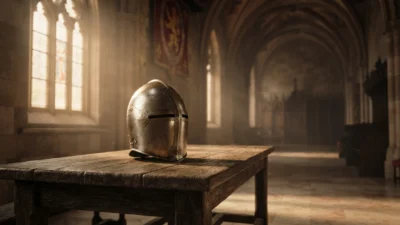
Armor symbolism is closely associated with protection, strength, courage, resilience, defense, and preparedness. Throughout history, armor has protected warriors from physical danger, but its symbolic meaning reaches far beyond warfare.
In spiritual traditions, literature, mythology, art, and modern culture, armor can represent emotional protection, inner strength, faith, personal boundaries, and the ability to face difficult circumstances.
Armor can also have a deeper and more complicated meaning. While it protects a person from harm, wearing too much armor can suggest emotional distance, fear, or difficulty allowing others to get close.
Because of this contrast, armor remains a powerful symbol of both strength and vulnerability.
Armor Symbolism Meaning (Clear Definition)
Armor symbolism refers to the meanings associated with protective clothing or equipment traditionally worn to defend the body. Its most common symbolic meanings include protection, courage, strength, resilience, preparedness, defense, discipline, and security.
Armor creates a barrier between a person and danger. Symbolically, that barrier can represent physical safety, emotional boundaries, spiritual faith, or psychological defenses.
| Armor Symbolism | Common Meaning |
|---|---|
| Armor | Protection and strength |
| Shining armor | Honor, courage, and heroism |
| Broken armor | Vulnerability or transformation |
| Heavy armor | Burden, defense, or emotional protection |
| Golden armor | Glory, achievement, and prestige |
| Knight’s armor | Courage, loyalty, and duty |
| Spiritual armor | Faith and inner protection |
| Removing armor | Vulnerability, openness, or freedom |
The meaning changes depending on the context in which the armor appears.
What Does Armor Represent?
Armor commonly represents protection and preparedness, but it can also symbolize several emotional and spiritual ideas.
Protection and Safety
The most direct meaning of armor is protection.
Historically, armor was designed to reduce the effects of weapons and other physical threats. As a symbol, it can represent protecting yourself, your loved ones, your beliefs, or something valuable.
Strength and Courage
Armor is often associated with courageous figures who willingly face challenges.
A person wearing armor may symbolize someone prepared to stand firm rather than surrender when circumstances become difficult.
Resilience
Armor can represent the ability to endure pressure.
Symbolically, it may suggest that a person has developed strength through difficult experiences and learned how to remain steady when facing adversity.
Preparedness
Armor is also a symbol of preparation.
Someone who puts on armor is preparing for a challenge before entering it. In a broader sense, armor can represent mental, emotional, or spiritual preparation.
Spiritual Meaning of Armor Symbolism
Spiritually, armor can symbolize faith, protection, perseverance, spiritual strength, discipline, and readiness.
Rather than representing physical defense, spiritual armor often describes qualities that help a person remain committed to their beliefs during difficult circumstances.
Spiritual Protection
Armor can represent the idea of being protected by faith and spiritual principles.
It may serve as a reminder to remain grounded when fear, doubt, or discouragement appears.
Strength During Difficult Times
The armor metaphor can also symbolize inner strength.
It suggests that people can develop spiritual qualities that help them remain steady without allowing difficulties to completely define them.
Readiness
Putting on armor can represent preparing yourself for challenges.
Spiritually, this may mean developing patience, wisdom, courage, compassion, and faith before difficulties arrive.
Biblical and Religious Meaning of Armor Symbolism
Armor has a particularly important symbolic role in the Bible.
The best-known example is the armor of God described in Ephesians 6:10–18. Paul uses the imagery of a soldier’s armor to describe spiritual qualities that help believers stand firm.
The passage mentions the belt of truth, breastplate of righteousness, footwear associated with readiness for the gospel of peace, shield of faith, helmet of salvation, and sword of the Spirit.
These images give armor a symbolic meaning connected with faith, truth, righteousness, peace, salvation, and spiritual readiness.
The biblical imagery is metaphorical rather than an instruction to use physical armor. Its purpose is to communicate how spiritual qualities can help believers remain steadfast.
Armor imagery can therefore represent the idea of being spiritually prepared while maintaining faith and integrity.
Armor of God Symbolism
Each part of the armor described in Ephesians carries its own metaphorical association.
- Belt of truth: truthfulness and integrity.
- Breastplate of righteousness: living according to righteousness.
- Shoes of peace: readiness and commitment to the message of peace.
- Shield of faith: trust that helps withstand challenges.
- Helmet of salvation: salvation and protection of the mind.
- Sword of the Spirit: the word of God.
Together, these images create a larger picture of spiritual preparedness.
The armor is therefore not primarily about physical strength. It represents qualities that help a person remain faithful and grounded.
Armor Symbolism in History and Culture
Armor has appeared in many cultures throughout history.
Ancient warriors used different forms of protective equipment depending on available materials, technology, environment, and military practices.
Greek, Roman, medieval European, Japanese, and many other traditions developed distinctive forms of armor.
Armor could also communicate social identity. Elaborate designs, decorations, and symbols sometimes indicated rank, affiliation, wealth, or allegiance.
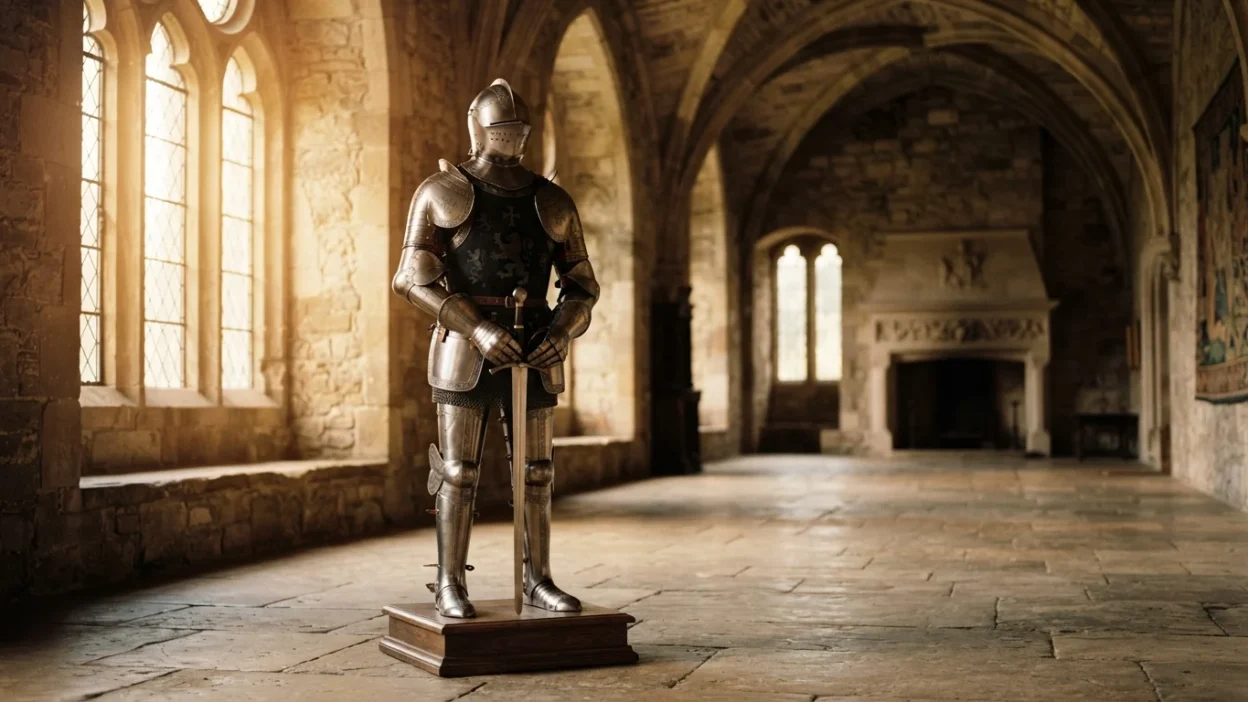
Medieval European knights became especially associated with armor, creating a lasting cultural connection between armor and ideals such as courage, loyalty, duty, and chivalry.
Japanese samurai armor similarly became an important cultural art form, combining practical protection with distinctive visual design and symbolism.
Armor Symbolism in Literature and Art
Armor is a powerful literary and artistic symbol because it can represent both the outside and inside of a person.
In stories, a knight in armor may symbolize courage, loyalty, duty, or heroism.
However, armor can also symbolize emotional defenses.
A character who refuses to remove their armor may be protecting themselves from emotional pain or vulnerability.
This creates an important contrast:
Physical armor protects the body, while symbolic armor can protect the heart and mind.
Artists may use armor to portray strength and heroism, but they can also use damaged or empty armor to communicate loss, memory, conflict, or the passage of time.
Dream Meaning of Armor
Dreams about armor can have several possible personal interpretations.
Armor may appear when someone is thinking about protection, difficult circumstances, emotional boundaries, responsibility, or the need to remain strong.
Possible interpretations include:
- Wearing armor: feeling prepared or emotionally guarded.
- Putting on armor: preparing for a difficult situation.
- Removing armor: becoming more open or letting go of defenses.
- Broken armor: vulnerability, change, or feeling unprotected.
- Shining armor: confidence, courage, recognition, or idealism.
- Heavy armor: emotional burden or feeling overly guarded.
- Giving someone armor: wanting to protect or support them.
Dream symbolism is subjective and should not be treated as a prediction. The dreamer’s emotions and personal circumstances are important when interpreting the image.
Shining Armor Symbolism
“Shining armor” has become a familiar symbol of heroism, courage, protection, honor, and idealized goodness.
The image of a knight in shining armor often represents someone who arrives to help or protect another person.
In modern interpretations, however, this idea can also be questioned. Real relationships and personal growth are more complicated than the simple image of a perfect rescuer.
Symbolically, shining armor can therefore represent hope and courage while also reminding us that strength does not require perfection.
Broken Armor Symbolism
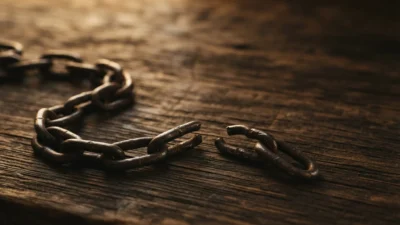
Broken armor can symbolize vulnerability, exhaustion, transformation, loss, or the consequences of a difficult experience.
A damaged suit of armor can show that even strong defenses have limits.
In storytelling and art, this can make broken armor especially meaningful. It may suggest that someone has endured hardship and emerged changed.
The symbol does not necessarily mean failure. Sometimes broken armor represents survival and the realization that strength can include acknowledging vulnerability.
Removing Armor Symbolism
Removing armor has a very different meaning from putting it on.
It can represent:
- Openness
- Trust
- Vulnerability
- Emotional freedom
- Healing
- Authenticity
- Letting go of fear
Symbolically, removing armor can suggest that a person no longer feels the need to remain constantly guarded.
This does not mean abandoning healthy boundaries. Instead, it can represent recognizing when protection is necessary and when openness is safe.
Modern Meaning of Armor Symbolism
Armor remains common in modern entertainment, video games, fantasy stories, movies, artwork, sports branding, and fashion.
Modern armor imagery can symbolize strength, confidence, protection, determination, resilience, and readiness.
The metaphor has also expanded into everyday language.
People may describe emotional defenses as “armor,” suggesting that someone has developed ways to protect themselves from disappointment, criticism, or emotional pain.
This makes armor a particularly relatable modern symbol.
Armor and Emotional Protection
One of the most interesting interpretations of armor symbolism is emotional defense.
People sometimes develop protective habits after difficult experiences. These defenses may help them feel safe, but they can also make genuine connection more difficult.
Armor symbolism can therefore encourage self-reflection:
- What am I protecting?
- Why do I need protection?
- When does my defense help me?
- When does it prevent connection?
- Where can I safely become more open?
In this sense, armor can represent both strength and the fear that exists underneath strength.
Positive and Negative Armor Symbolism
Armor symbolism has both positive and challenging meanings.
Positive meanings include:
- Protection
- Courage
- Strength
- Resilience
- Faith
- Discipline
- Preparedness
- Loyalty
- Security
Challenging meanings include:
- Defensiveness
- Emotional isolation
- Fear
- Rigidity
- Distrust
- Suppressed emotions
- Difficulty accepting vulnerability
The same armor can therefore represent healthy boundaries in one context and excessive defensiveness in another.
Armor Symbolism and Personal Growth
Armor can offer an important lesson about personal growth.
There are moments when protection is necessary. Strong boundaries can help people protect their values, time, emotions, and relationships.
But remaining permanently guarded can prevent meaningful experiences.
Personal growth often involves learning when to wear the armor and when it is safe to remove it.
True strength does not always mean appearing invulnerable. Sometimes strength means being able to acknowledge uncertainty, accept support, and remain open without abandoning healthy boundaries.
Why Is Armor Symbolism So Powerful?
Armor symbolism remains powerful because it represents a universal human experience: the need to feel safe while facing challenges.
The physical armor of a warrior becomes a metaphor for the emotional and spiritual defenses people develop throughout life.
It can represent courage when someone stands firm, protection when someone guards what matters, and vulnerability when the armor becomes damaged or is finally removed.
Ultimately, armor reminds us that strength is not simply about resisting everything. It is also about knowing what deserves protection and understanding when it is safe to be open.
Frequently Asked Questions About Armor Symbolism
What is the main meaning of armor?
The main meanings of armor include protection, strength, courage, resilience, defense, preparedness, discipline, and security.
What does armor symbolize spiritually?
Spiritually, armor can symbolize faith, spiritual protection, perseverance, readiness, truth, righteousness, and strength during difficult circumstances.
What does armor symbolize in the Bible?
In the Bible, armor is especially associated with the “armor of God” in Ephesians 6, where different pieces represent spiritual qualities such as truth, righteousness, faith, salvation, peace, and God’s word.
What does shining armor symbolize?
Shining armor commonly symbolizes courage, heroism, honor, protection, hope, and idealized strength.
What does broken armor symbolize?
Broken armor can symbolize vulnerability, hardship, transformation, emotional exhaustion, or surviving a difficult experience.
What does removing armor symbolize?
Removing armor can symbolize openness, trust, vulnerability, emotional freedom, healing, and letting go of unnecessary defenses.
What does armor mean in dreams?
Armor in a dream may represent protection, emotional defenses, preparedness, courage, or vulnerability. The dreamer’s personal circumstances and feelings provide important context.
Final Thoughts
Armor symbolism carries a powerful mixture of protection, courage, strength, faith, resilience, preparedness, and emotional defense.
Historically, armor protected warriors from physical danger. Spiritually, it can represent qualities that help people remain steadfast. In literature and modern culture, it often becomes a metaphor for the defenses people build around their emotions and identity.
Perhaps the deepest lesson of armor is balance. We need protection, but we also need connection. We need strength, but we can still acknowledge vulnerability.
Knowing when to wear the armor and when it is safe to take it off can be just as important as having the armor itself.

Matthew Collins is a Christian author who writes inspiring articles centered on faith, prayer, and biblical encouragement. He is passionate about helping readers apply God’s Word to their daily lives with confidence and hope. His writing combines practical Christian advice with Scripture-based insights that uplift and strengthen believers. Matthew has years of experience creating devotional content for Christian audiences worldwide. He believes that even short prayers can transform lives through God’s power. His approachable writing style makes biblical truths accessible to everyone. In his free time, he enjoys studying theology, hiking, and serving in community outreach programs. His mission is to encourage people to trust God wholeheartedly and live with unwavering faith.