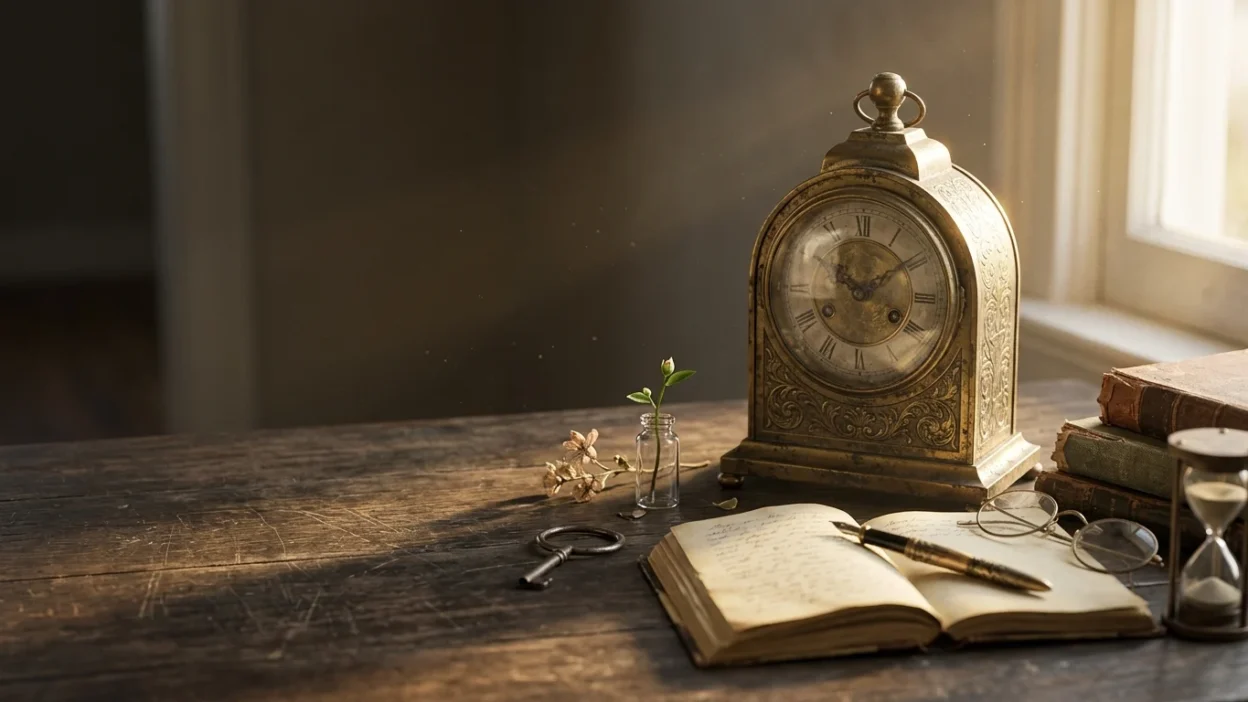
Clock symbolism explores the deeper meanings associated with time, life, change, mortality, patience, and the moments that shape our experiences. A clock does more than measure hours and minutes. It can remind us that life is constantly moving, opportunities change, and every moment carries the possibility of growth.
Throughout history, clocks have helped people organize their days, mark important occasions, and understand the passage of time. Symbolically, they can represent the desire to make the most of life, the pressure of deadlines, or the hope that the right moment will eventually arrive.
Whether a clock appears in a dream, a painting, a story, or everyday life, its meaning often depends on its condition, setting, and the emotions it inspires.
Clock Symbolism Meaning (Clear Definition)
Clock symbolism refers to the ideas and emotions connected with clocks beyond their practical function. Clocks commonly symbolize time, mortality, discipline, order, change, patience, and the relationship between the present and the future.
Because clocks measure time, they can also represent the awareness that life is temporary. At the same time, they may encourage people to value the present, pursue meaningful goals, and appreciate the time they share with others.
| Clock Symbol | Common Meaning |
|---|---|
| Working clock | Order, routine, and the passage of time |
| Broken clock | Disruption, uncertainty, or a feeling of being stuck |
| Stopped clock | Pause, endings, or suspended progress |
| Antique clock | Memory, history, tradition, and heritage |
| Alarm clock | Urgency, responsibility, and awakening |
| Wall clock | Structure, routine, and shared time |
| Pocket watch | Personal history, punctuality, and treasured memories |
| Clock with no hands | Uncertainty, timelessness, or freedom from schedules |
| Clock moving backward | Reflection, regret, or a wish to revisit the past |
| Clock striking midnight | Transition, mystery, endings, or new beginnings |
These meanings are interpretive rather than universal. A clock’s symbolism can change according to the situation and the person observing it.
What Does a Clock Represent?
A clock can represent several important aspects of human experience, from the passing of time to the decisions we make about how to use it.
The Passage of Time
The most direct meaning of a clock is the movement of time. Its hands continue moving, reminding us that life progresses even when our circumstances seem unchanged.
Symbolically, a clock can encourage awareness of the present and appreciation for experiences that might otherwise be taken for granted.
Mortality and the Temporary Nature of Life
Clocks sometimes symbolize mortality because they make time visible and measurable. They remind us that our lives have limits and that moments cannot always be repeated.
This meaning does not need to be frightening. It can encourage gratitude, compassion, and a greater commitment to the people and activities that matter most.
Discipline and Responsibility
Clocks are closely connected with schedules, appointments, and daily routines. They can symbolize reliability, commitment, and the discipline needed to complete important tasks.
In this sense, a clock represents the relationship between time and responsibility.
Change and New Beginnings
Time brings change. A clock can therefore represent transitions between different stages of life, such as beginning a new job, entering a new chapter, or leaving an old habit behind.
The movement of its hands suggests that circumstances do not remain the same forever.
Patience and Timing
A clock can also represent patience. Some goals require steady effort, and some opportunities take time to develop.
Its symbolism reminds us that meaningful progress does not always happen as quickly as we expect. Knowing when to act and when to wait can both be important.
Spiritual Meaning of Clock Symbolism
The spiritual meaning of a clock often relates to awareness, personal growth, life’s seasons, and the relationship between human plans and the unknown.
Living in the Present
A clock can remind people to pay attention to the present rather than spending all their energy worrying about the future or regretting the past.
This interpretation encourages mindfulness, gratitude, and a more thoughtful approach to everyday experiences.
Trusting the Timing of Life
Some people interpret clocks as symbols of divine timing or the belief that certain experiences unfold according to a larger purpose. In this view, a clock may remind someone to remain patient while continuing to take responsible action.
This is a personal spiritual interpretation, not proof that a particular event is destined to happen at a specific time.
Awakening and Awareness
An alarm clock can symbolize awakening, especially when understood metaphorically. It may represent becoming aware of an overlooked responsibility, recognizing a personal need, or deciding to make a positive change.
A clock appearing at an important moment may prompt reflection on whether your daily choices align with your values.
The Cycles of Life
Clocks are associated with recurring patterns: mornings and evenings, workdays and weekends, and the changing seasons measured through calendars and schedules.
Spiritually, these cycles can represent renewal, rest, growth, and the understanding that different stages of life serve different purposes.
Biblical and Religious Meaning of Clock Symbolism
The Bible does not assign clocks a single, universal symbolic meaning. Modern clocks were not the familiar household objects they are today when biblical texts were written. However, Scripture contains many teachings about time, wisdom, waiting, and the proper season for different activities.
God’s Timing
Ecclesiastes 3:1 teaches that there is a season for every activity and a time for every matter under heaven.
This passage is often associated with the idea that life includes different seasons. A clock can serve as a modern visual reminder of this teaching, although the clock itself is not a biblical symbol established by the passage.
Using Time Wisely
Psalm 90:12 asks God to teach people to number their days so that they may gain a heart of wisdom.
For Christians, this verse encourages reflection on life’s limits and the importance of living wisely. Clock symbolism can connect with this idea by reminding people to use their time for meaningful purposes.
Waiting With Patience
Biblical stories frequently describe people waiting for promises, guidance, or changes in their circumstances. These stories can encourage patience and faith during uncertain periods.
A clock may represent this waiting process, but it should not be treated as a guaranteed sign that a particular prayer will be answered at a specific time.
Religious Interpretations Beyond Christianity
In many religious and philosophical traditions, time is considered in relation to change, impermanence, cycles, or the relationship between human life and a larger reality.
Interpretations differ considerably. Some traditions emphasize life’s temporary nature, while others explore recurring cycles or the importance of acting wisely in the present.
Clock Symbolism in History and Culture
Clocks have influenced human society by changing how people organize work, travel, education, worship, and everyday responsibilities.
Ancient Timekeeping
Before mechanical clocks became common, people used methods such as sundials, water clocks, and other devices to measure time.
These instruments reflected humanity’s desire to understand natural patterns and organize daily life. Symbolically, early timekeeping devices can represent observation, knowledge, and the search for order.
Mechanical Clocks and Modern Society
Mechanical clocks made it increasingly possible to coordinate activities according to shared schedules. Over time, clocks became important in workplaces, schools, public buildings, and homes.
Their cultural meaning expanded to include punctuality, efficiency, responsibility, and the pressure of deadlines.
Antique Clocks and Heritage
Grandfather clocks, mantel clocks, and ornate antique timepieces often appear in traditional homes and historical settings.
They may symbolize family heritage, continuity, craftsmanship, and memories passed from one generation to another. An old clock can become a reminder of the people and experiences associated with a particular place.
Public Clocks and Community
Large clocks on towers, stations, and public buildings help communities coordinate their activities. They can symbolize shared time, civic identity, and the connection between individual lives and a wider society.
Clock Symbolism in Literature and Art
In literature and visual art, clocks often represent more than the simple measurement of time. They can create atmosphere, suggest emotional tension, or reveal how characters understand their lives.
Clocks and Mortality in Literature
Writers sometimes use clocks to remind readers that characters are aging or approaching an important deadline. The steady movement of a clock can create tension by emphasizing that time is passing while a decision remains unresolved.
This can make a clock a symbol of urgency, regret, or the desire to change one’s circumstances.
Clocks in Surrealist Art
Clocks appear in surrealist art as symbols of unusual or distorted experiences of time. Salvador Dalí’s painting The Persistence of Memory is particularly associated with melting clocks and dreamlike landscapes.
The image challenges the familiar idea that time is always experienced in a rigid, measurable way. It invites viewers to consider how memory, dreams, and emotions can influence their sense of time.
Clocks in Gothic Stories
In gothic fiction, an old clock may create a sense of mystery, tradition, or unease. Its ticking can emphasize silence, while its chimes may signal a dramatic transition.
These associations depend on the artistic context rather than any fixed meaning.
Different Types of Clock Symbolism
Different clocks can carry different symbolic associations.
Broken Clock Symbolism
A broken clock may represent disrupted routines, disappointment, or a situation that no longer seems to move forward.
It can also suggest the need to repair something, change an approach, or stop relying on a system that is no longer useful.
Stopped Clock Symbolism
A stopped clock often symbolizes a pause, an ending, or a moment that remains emotionally significant.
In a story or artwork, it may suggest that a character is unable to move beyond a past experience. In another context, it might represent rest or the desire to step away from constant demands.
Alarm Clock Symbolism
An alarm clock commonly represents urgency, responsibility, and the need to pay attention.
It may symbolize a new beginning, such as waking up to an opportunity, or the pressure of meeting an important deadline.
Antique Clock Symbolism
An antique clock often represents history, memory, tradition, and the continuity of family life.
Its aged materials can evoke a connection to the past. However, it may also symbolize outdated habits or beliefs that need to be reconsidered.
Clock Without Hands Symbolism
A clock without hands may represent uncertainty, timelessness, or a life that feels disconnected from ordinary schedules.
In creative work, it can suggest that a character has lost direction or that the usual rules of time no longer apply.
Clock Striking Midnight Symbolism
Midnight is often associated with transition because it marks the beginning of a new calendar day. In stories and folklore, it may represent mystery, transformation, endings, or new beginnings.
The familiar association between midnight and magic is a cultural and literary convention rather than a universal spiritual rule.
Clock Symbolism in Dreams: Possible Meanings
Dreams involving clocks may reflect personal concerns about time, responsibilities, deadlines, change, or uncertainty. There is no scientifically established universal meaning for a clock in a dream.
Seeing a Clock in a Dream
Seeing a clock may relate to awareness of time or an important decision. Consider whether you have recently been thinking about a deadline, a goal, or a change in your life.
Seeing a Broken Clock
A broken clock may reflect frustration when plans are interrupted or when progress feels slower than expected.
The dream may offer an opportunity to think about what feels unresolved and whether your current expectations are realistic.
Looking at a Clock Repeatedly
Repeatedly checking a clock in a dream may connect with impatience, anticipation, or concern about running out of time.
Your emotions in the dream can be more informative than the clock alone.
Seeing a Clock Stop
A clock stopping may represent a desire for a pause or a feeling that an important part of life has become stuck.
It may also reflect memories of an event that remains emotionally meaningful.
Seeing Midnight on a Clock
Midnight may symbolize a transition, an approaching decision, or the beginning of something new. Its meaning depends on the dream’s context and your own associations with the time.
Dreams should not be treated as reliable predictions of future events.
Clock Color Symbolism
The color and design of a clock can influence its meaning in art, décor, and personal interpretation.
- Gold clock: May symbolize wealth, achievement, importance, or treasured time.
- Silver clock: Can suggest elegance, reflection, precision, or modernity.
- Black clock: May evoke formality, mystery, seriousness, or mortality.
- White clock: Often suggests simplicity, clarity, peace, or a fresh start.
- Brown wooden clock: May represent tradition, warmth, family, and heritage.
- Red clock: Can communicate urgency, energy, warning, or the pressure of a deadline.
- Blue clock: May suggest calmness, reliability, reflection, or order.
These associations are not universal. A clock’s color may have a different meaning depending on its cultural context, design, and surroundings.
Clock Symbolism in Relationships
In relationships, clocks can symbolize shared time, commitment, patience, and the importance of being present with one another.
A clock may remind people that relationships develop at different speeds. Trust often grows through repeated acts of honesty and care rather than through a single dramatic moment.
Clocks can also represent the memories created through time spent together. An inherited watch or family clock may carry emotional value because it connects people with earlier generations.
On the challenging side, clocks can symbolize pressure when people feel that a relationship must follow a particular timeline. This interpretation encourages open communication rather than assumptions about when major milestones should occur.
Clock Symbolism and Personal Growth
Clock symbolism can provide a useful way to reflect on how we use time and respond to change.
Recognizing Your Priorities
A clock can remind you that time is limited. This may encourage you to identify which activities, relationships, and responsibilities deserve your attention.
Building Consistent Habits
Clocks are associated with routines and regularity. They can symbolize the value of small, consistent actions that gradually support meaningful goals.
Accepting Change
The movement of time reminds us that circumstances evolve. Personal growth often requires releasing outdated expectations and adapting to new opportunities.
Balancing Productivity and Rest
Although clocks often represent schedules and deadlines, they can also remind us to make room for rest. Time is not valuable only when it is spent working; time for family, creativity, reflection, and relaxation matters too.
Modern Meaning of Clock Symbolism
In modern life, clocks are everywhere, from phones and computers to public spaces and wearable devices. They help people coordinate schedules and stay aware of deadlines.
At the same time, constant access to the time can create pressure to remain productive. Clock symbolism therefore reflects both the usefulness of structure and the challenge of feeling controlled by a schedule.
A clock can represent ambition and effective planning, but it can also remind us that not every meaningful experience can be measured in minutes.
In personal development, the clock is often a symbol of opportunity. It encourages people to take action when appropriate, learn from the past, and avoid assuming that every important change must happen according to someone else’s timetable.
Positive and Negative Clock Symbolism
Positive meanings:
- Wisdom and awareness
- Patience and appropriate timing
- Discipline and responsibility
- New beginnings and transformation
- Appreciation of the present
- Family memories and continuity
- Consistent effort toward meaningful goals
Challenging meanings:
- Fear of aging or mortality
- Pressure from deadlines
- Impatience and anxiety
- Regret about the past
- Feeling stuck or unable to move forward
- Excessive concern about productivity
- Worry about missing an opportunity
The clock is not inherently a positive or negative symbol. Its interpretation depends on how time is experienced in a particular situation.
Why Is Clock Symbolism So Powerful?
Clock symbolism is powerful because time affects nearly every part of human life. People experience waiting, change, deadlines, celebrations, aging, and new beginnings.
A clock makes the abstract concept of time visible. Its hands provide a simple image of movement, while its steady ticking can remind us that life continues even when we feel uncertain.
Clocks can therefore encourage both action and reflection. They remind us to make thoughtful choices without expecting to control every moment.
Ultimately, clock symbolism is about more than watching time pass. It is about considering how we live, what we value, and how we respond to the opportunities available to us.
FAQs About Clock Symbolism
What does a clock symbolize spiritually?
A clock may symbolize awareness, life’s seasons, patience, personal growth, and the importance of using time meaningfully. Spiritual interpretations vary according to individual beliefs.
What does a clock symbolize in life?
A clock commonly represents time, responsibility, change, planning, and the temporary nature of life’s experiences.
What does a broken clock symbolize?
A broken clock may symbolize disrupted plans, uncertainty, or a feeling of being stuck. It can also represent the need to reconsider an approach or begin a new chapter.
What does a stopped clock symbolize?
A stopped clock may represent a pause, an ending, or a moment that remains emotionally significant. Its meaning depends on the context.
What does an antique clock symbolize?
An antique clock often symbolizes family heritage, history, tradition, memory, and the connection between generations.
What does a clock symbolize in dreams?
A clock in a dream may relate to deadlines, anticipation, change, or concerns about time. Its meaning is personal and should not be treated as a prediction.
What does midnight symbolize on a clock?
Midnight often represents transition, mystery, endings, and new beginnings, particularly in literature and popular culture.
Does a clock have a specific biblical meaning?
The Bible does not establish one universal symbolic meaning for clocks. However, biblical teachings about wisdom, life’s seasons, and God’s timing can inform personal interpretations.
Final Thoughts
Clock symbolism reminds us of the relationship between time, change, responsibility, and personal meaning. A working clock can represent order and progress, while a broken or stopped clock may invite reflection on uncertainty, disrupted plans, or the need for change.
Spiritually, clocks can encourage patience and thoughtful living. In history and culture, they reveal how people organize their lives. In literature and art, they can express urgency, memory, mortality, and the mysterious ways time is experienced.
The deeper message of clock symbolism is not simply that time passes. It is that the way we use our time matters. By valuing the present, learning from the past, and approaching the future thoughtfully, we can make our time more meaningful.

Daniel Brooks is a Christian writer with a passion for sharing biblical wisdom through simple and encouraging content. He has spent years studying Scripture and creating devotionals that strengthen faith in everyday life. His writing focuses on prayer, hope, spiritual growth, and trusting God’s promises. Daniel believes that every believer can develop a deeper relationship with Christ through daily prayer and Bible study. His articles are written with compassion, clarity, and biblical accuracy. He enjoys helping readers find peace during life’s challenges through God’s Word. When not writing, Daniel enjoys reading Christian books, serving in his local church, and spending time with his family. His mission is to inspire people around the world to grow closer to Jesus every day.