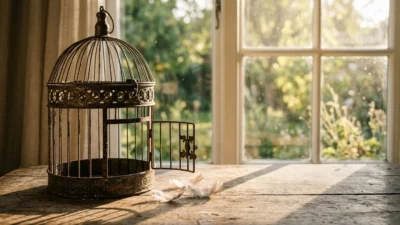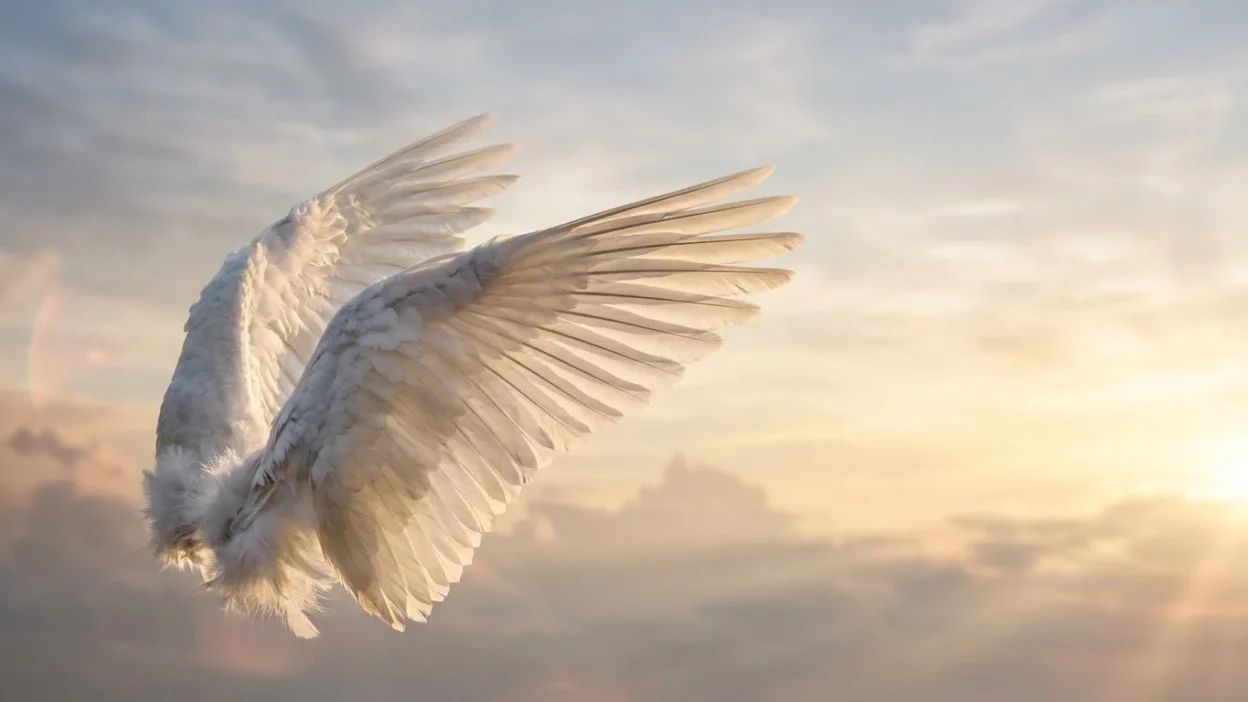
Wing symbolism represents freedom, protection, ambition, spirituality, and the ability to rise above life’s challenges. Wings allow birds to travel through the sky, making them powerful symbols of independence, movement, and possibilities beyond familiar boundaries. Across mythology, religion, literature, and art, wings have also represented divine protection, transformation, victory, and the desire to reach something greater.
The meaning of wings often depends on their appearance and context. Angel wings may suggest guidance and comfort, while eagle wings can symbolize strength and vision. Broken wings may represent vulnerability or setbacks, whereas a pair of open wings can communicate readiness, confidence, and freedom.
Understanding wing symbolism helps us explore how this universal image connects with human hopes, personal struggles, spiritual beliefs, and the desire to grow. Whether seen in a dream, a painting, a tattoo, or nature itself, wings can remind us that limitations do not always define what is possible.
Wing Symbolism Meaning (Clear Definition)
Wing symbolism refers to the meanings associated with wings, including freedom, protection, spiritual connection, strength, ambition, and transformation. These meanings come from the natural function of wings, their appearance in religious traditions, and their use in stories and visual art.
Because wings help many creatures fly, they commonly represent movement beyond physical or emotional limitations. They can also suggest shelter and care because wings protect birds’ bodies and, in some species, help shield their young.
Here are the most common symbolic meanings of wings:
| Symbolic meaning | Interpretation |
|---|---|
| Freedom | Independence and the ability to explore new possibilities |
| Protection | Safety, comfort, and a sense of being cared for |
| Spirituality | Connection with divine or transcendent ideas |
| Strength | Courage, endurance, and resilience |
| Ambition | The desire to pursue meaningful goals |
| Transformation | Growth and movement into a new stage of life |
| Hope | Belief in possibilities beyond present difficulties |
| Perspective | Seeing a situation from a broader point of view |
These meanings are not universal rules. Wing symbolism varies across cultures, religious traditions, artistic styles, and individual experiences.
What Do Wings Represent?
Wings can express several ideas at once. Their symbolism often comes from the contrast between the grounded world and the open sky, as well as their ability to provide both movement and shelter.
Freedom and Independence
Freedom is one of the strongest associations with wings. A bird spreading its wings can represent the ability to explore, make choices, and move beyond familiar boundaries.
In everyday life, this symbolism may relate to becoming more independent, pursuing a new opportunity, or finding the confidence to make decisions that reflect your values.
Wings do not necessarily suggest escaping every responsibility. They can instead represent the freedom to choose a direction while remaining thoughtful about the consequences.
Protection and Safety
Wings can also symbolize shelter and care. Many birds use their wings to cover or protect their young, making them a natural image of nurturing and security.
Symbolically, protective wings may represent the support of family, the comfort of friendship, or the reassurance someone finds in their faith.
This meaning appears in religious imagery, where wings can communicate the idea of refuge during uncertain or difficult times.
Strength and Courage
Strong wings allow birds to travel, withstand changing conditions, and navigate challenging environments. As a symbol, they can represent endurance and the courage to continue through adversity.
Wings may remind you that strength is not always about avoiding difficulties. Sometimes, it means developing the confidence and skills needed to face them.
Ambition and Higher Goals
Wings are frequently connected with aspiration. The image of rising into the sky can suggest aiming beyond current circumstances and working toward a meaningful future.
This symbolism may be relevant when beginning a new project, developing a skill, or choosing a direction that requires patience and determination.
Spiritual Meaning of Wing Symbolism
The spiritual meaning of wings often centers on elevation, protection, hope, and the desire to connect with something greater than everyday concerns. Different traditions understand wings in different ways, so their meanings should be considered within their specific contexts.
Spiritual Growth and Higher Awareness
Wings can symbolize the desire to develop greater wisdom, compassion, and self-understanding. Rising above the ground may represent looking beyond immediate worries and considering a broader perspective.
For some people, wings represent spiritual development through prayer, meditation, reflection, or a deeper commitment to personal values.
Divine Protection and Comfort
Many people associate wings with the idea of being protected or supported during difficult periods. This interpretation appears in religious imagery, especially depictions of angels and sacred beings.
For someone with religious faith, wings may serve as a reminder of divine care. For others, they may symbolize the comfort of feeling supported by loved ones or connected to nature.
These interpretations express belief and personal meaning rather than proving that a particular event has supernatural significance.
Transformation and Renewal
Wings can represent the transition from one stage of life to another. Their association with flight makes them a useful symbol for leaving behind old limitations and exploring new possibilities.
This may involve gaining confidence, changing a long-standing habit, or learning to approach challenges differently.
Balance Between Freedom and Responsibility
Although wings symbolize freedom, flight also requires direction, awareness, and effort. In a spiritual sense, wings can remind us that personal freedom becomes more meaningful when guided by wisdom and responsibility.
The goal is not simply to rise above everything but to use new opportunities in ways that reflect our deepest values.
Biblical and Religious Meaning of Wing Symbolism
In the Bible, wings appear in poetic imagery, visions, and descriptions of spiritual beings. They can communicate protection, refuge, strength, and the majesty of God’s creation. Their precise meaning depends on the passage.
God’s Protection Under His Wings
Psalm 91:4 describes God covering people with His feathers and providing refuge under His wings. This imagery expresses safety, trust, and comfort in God’s care.
For Christians, wings may therefore symbolize the reassurance of faith during uncertainty. The passage uses the image of a protective bird to communicate a spiritual truth rather than claiming that physical wings are magical objects.
Renewed Strength Like Eagles
Isaiah 40:31 describes those who hope in the Lord as renewing their strength and rising on wings like eagles.
This verse connects eagle imagery with endurance, hope, and renewed energy. Wing symbolism inspired by this passage can remind believers to remain patient and trust in God’s strength while continuing to meet life’s challenges.
Wings of Angels in Scripture
Biblical visions describe certain heavenly beings with wings. For example, Isaiah 6 describes seraphim with six wings, while Ezekiel 1 presents living creatures with wings in a visionary scene.
These descriptions belong to particular biblical visions and should not be treated as proof that every winged figure in art has the same meaning.
In Christian art, angel wings often represent heavenly service, divine messages, protection, and the distinction between earthly and heavenly realms. These artistic associations have developed through religious tradition over time.
Wing Symbolism in Other Religious and Cultural Traditions
Winged beings also appear in other religious and mythological traditions. Depending on the culture, wings may signify divine power, protection, speed, victory, or a connection between different realms.
The details matter: a winged figure in one tradition may have a very different role from a winged figure in another. Understanding each symbol in its own context helps avoid treating all religious meanings as identical.
Wing Symbolism in History and Culture
Wings have appeared in human art and storytelling for thousands of years. Their connection with birds and flight makes them especially useful for expressing ideas about power, freedom, and movement between worlds.
Ancient Egyptian Wing Symbolism
In ancient Egyptian art, winged imagery was associated with protection and divine power. The winged sun disk, for example, appeared in royal and religious contexts and was linked with protection and sacred authority.
Wings could also appear in representations of protective deities. Their outstretched form created a visual impression of shelter, watchfulness, and strength.
Greek and Roman Mythology
In Greek mythology, winged figures and creatures often represented speed, divine influence, or extraordinary abilities.
Hermes, known in Roman tradition as Mercury, is frequently depicted with winged footwear or other winged attributes, emphasizing his role as a swift messenger. Nike, the Greek personification of victory, is also commonly portrayed with wings.
These images helped establish wings as enduring symbols of movement, achievement, and triumph.
Wings in Indigenous and Traditional Cultures
Birds and feathers hold distinct meanings in many Indigenous and traditional cultures, and wing imagery may appear in stories, ceremonial objects, and artwork.
However, these meanings vary between communities and should not be reduced to a single universal interpretation. Some symbols have specific cultural, spiritual, or ceremonial significance that requires respectful understanding.
Wings in Modern Culture
Today, wings appear in logos, jewelry, fashion, tattoos, illustrations, and popular entertainment. They can express freedom, ambition, speed, creativity, or a desire for protection.
In contemporary design, a pair of wings may also suggest travel, progress, or the idea of helping someone reach their potential.
Wing Symbolism in Literature and Art
Wings are powerful artistic symbols because they can communicate movement and emotion without words. Their meaning changes according to the story, the character, and the way they are portrayed.
Wings as Freedom
In poems, novels, and paintings, wings often represent the desire to escape confinement or pursue independence.
A character who dreams of flying may be seeking a different life, while a bird spreading its wings can suggest the beginning of a journey.
Wings as Power and Victory
Wings may also symbolize achievement, authority, and extraordinary ability. Winged figures in classical art often communicate speed or triumph, while modern illustrations may use wings to represent ambition and success.
Wings as Vulnerability
Not all wing imagery is positive. Damaged or restrained wings can symbolize disappointment, limitation, or the loss of confidence.
A character with injured wings may represent someone whose plans have been disrupted but who is still searching for a way forward.
Wings as Hope and Renewal
Wings appearing at the end of a story may suggest a new beginning or the possibility of change. The image can encourage readers to consider how setbacks might lead to greater awareness, resilience, or a different path.
Different Types of Wings and Their Symbolic Meanings
The kind of wings depicted can change the interpretation significantly.
Angel Wings
Angel wings commonly represent protection, comfort, innocence, spiritual guidance, and heavenly connection in religious art and popular culture.
Their meaning depends on the tradition and the artwork. They may also be used to remember someone who has died, serving as a personal expression of love and remembrance.
Bird Wings
Bird wings often symbolize freedom, independence, nature, and the ability to adapt. Their meaning may become more specific when the type of bird is known.
For example, eagle wings are commonly linked with strength and vision, while dove wings may suggest peace.
Butterfly Wings
Butterfly wings are strongly associated with transformation, beauty, renewal, and the temporary nature of life. This meaning draws on the butterfly’s metamorphosis from caterpillar to adult.
They may represent a period of personal change or the discovery of a new sense of identity.
Dragon Wings
Dragon wings often symbolize power, mystery, imagination, and extraordinary ability in fantasy art and mythology.
Depending on the story, they may represent protection and wisdom or danger and overwhelming force. Their meaning is especially dependent on cultural and narrative context.
Broken Wings
Broken wings commonly represent vulnerability, disappointment, restricted freedom, or a difficult period of recovery.
They can also symbolize resilience. A broken-wing image may communicate that a setback does not have to determine the rest of a person’s journey.
Wing Symbolism in Dreams: Possible Meanings
Dreams about wings can reflect personal emotions, ambitions, fears, or recent experiences. There is no scientifically established universal dictionary of dream meanings, so these interpretations are best treated as prompts for reflection rather than predictions.
Dreaming of Having Wings
Having wings in a dream may reflect a desire for greater independence, confidence, or control over your direction in life.
Consider whether you felt excited, peaceful, or frightened while flying. Your emotions may help you understand what the dream connects with in your waking life.
Dreaming of Flying With Wings
Flying may represent ambition, relief, or the wish to move beyond a difficult situation. A comfortable flight might reflect confidence, while struggling to stay airborne could mirror pressure or uncertainty.
The dream does not guarantee success or failure. It may simply provide an opportunity to examine your feelings about a current challenge.
Dreaming of Broken Wings
Broken wings may reflect frustration, exhaustion, or concern that an important goal is becoming difficult to reach.
Rather than treating the dream as a warning, consider whether you need additional support, more realistic expectations, or time to recover before continuing.
Dreaming of Angel Wings
Angel wings may reflect comfort, hope, protection, or a desire for reassurance. Their meaning may be shaped by your faith, memories, and personal associations with angels.
Wing Symbolism in Love and Relationships
In relationships, wings can represent emotional support, trust, independence, and the encouragement to become your best self.
Supporting Someone’s Growth
The phrase “giving someone wings” is often used to describe helping them develop confidence and independence.
In a healthy relationship, this can mean encouraging a partner’s ambitions, respecting their individuality, and celebrating their achievements.
Protection and Emotional Safety
Wings may symbolize the comfort of knowing someone is there for you during difficult times. This kind of protection is emotional rather than controlling: it involves care, understanding, and respect for personal boundaries.
Love and Freedom
Wings can also represent the balance between closeness and independence. Strong relationships make room for shared experiences while allowing each person to maintain their own interests, friendships, and goals.
Wing Symbolism in Tattoos and Jewelry
Wing designs are popular in tattoos and jewelry because they combine a recognizable shape with a wide range of possible meanings.
Common interpretations include:
- Angel wings: remembrance, comfort, faith, or protection.
- Bird wings: freedom, independence, and adventure.
- Eagle wings: courage, strength, and ambition.
- Butterfly wings: transformation, renewal, and personal growth.
- Broken wings: vulnerability, survival, or recovery after hardship.
- Paired wings: partnership, balance, and connection.
A wing tattoo may have a private meaning that differs from common interpretations. The bird, design, placement, and personal story can all influence its significance.
Positive and Negative Meanings of Wing Symbolism
Wing symbolism often carries hopeful associations, but it can also express challenges and limitations.
Positive meanings:
- Freedom and independence.
- Spiritual connection and protection.
- Courage and resilience.
- Hope and new opportunities.
- Transformation and personal growth.
- Ambition and achievement.
- Love, support, and encouragement.
Potentially challenging meanings:
- Fear of losing freedom.
- Unrealistic ambitions or expectations.
- Vulnerability after a setback.
- A desire to escape responsibilities.
- Feeling restricted or unable to move forward.
- Grief or longing when wings are used in memorial imagery.
A symbol’s meaning depends on its context. Broken wings, for example, may communicate pain but can also express the courage to recover.
Why Wing Symbolism Still Matters Today
Wing symbolism continues to resonate because it expresses experiences that people across generations understand: wanting freedom, seeking protection, pursuing goals, and hoping for a better future.
Wings can inspire us to look beyond present limitations without pretending that challenges do not exist. They can also remind us that growth often requires patience, preparation, and support from others.
Whether wings appear in a religious image, a piece of art, a dream, or a personal keepsake, their meaning comes from the context in which they are understood.
Ultimately, wings offer a simple but powerful image of possibility. They invite us to consider where we want to go, what we need to let go of, and how we can move forward with greater courage and purpose.
FAQs About Wing Symbolism
1. What do wings symbolize spiritually?
Wings commonly symbolize spiritual growth, protection, hope, freedom, and connection with something greater than oneself. Their specific meaning depends on personal beliefs and cultural context.
2. What is the biblical meaning of wings?
In the Bible, wings can represent protection, refuge, and renewed strength. Psalm 91:4 uses the image of shelter under God’s wings, while Isaiah 40:31 compares renewed strength to rising on eagle’s wings.
3. What do angel wings symbolize?
Angel wings commonly represent spiritual guidance, protection, comfort, and heavenly connection in religious art and popular culture. They may also serve as memorial symbols for loved ones.
4. What do broken wings symbolize?
Broken wings may represent vulnerability, disappointment, restricted freedom, or recovery after hardship. They can also symbolize resilience and the possibility of moving forward after a setback.
5. What do wings symbolize in dreams?
Wings in dreams may reflect freedom, ambition, confidence, or a desire to overcome limitations. These interpretations are subjective and should not be treated as predictions.
6. What do wings symbolize in love?
Wings can represent emotional support, trust, freedom, and encouragement. In relationships, they may suggest helping one another grow while respecting individual needs.
7. What does a wing tattoo mean?
A wing tattoo may symbolize freedom, faith, remembrance, strength, independence, or transformation. The meaning depends on the type of wing and the personal story behind the design.
8. Are wings a symbol of good luck?
Some people associate wings with positive change, protection, or opportunity. However, there is no universal rule that wings bring good luck; their meaning varies across traditions and individuals.
9. What do eagle wings symbolize?
Eagle wings commonly represent strength, vision, courage, ambition, and freedom. In Isaiah 40:31, eagle-wing imagery is used to express renewed strength for those who hope in the Lord.
10. What is the difference between wing and feather symbolism?
Wings generally emphasize flight, freedom, protection, and the ability to rise, while individual feathers are often associated with lightness, hope, delicacy, and spiritual reflection. The meanings can overlap.
Final Thoughts on Wing Symbolism
Wing symbolism brings together ideas of freedom, protection, ambition, spirituality, and transformation. From biblical imagery of refuge to mythological figures and modern art, wings have long helped people express the desire to rise above limitations and explore new possibilities.
Their meaning is not always about escape or achievement. Wings can also represent the support that makes growth possible, the courage to recover from setbacks, and the balance between independence and connection.
When you encounter wing imagery, consider its context and the feelings it brings to mind. It may encourage you to pursue a goal, offer support to someone else, or approach an uncertain period with renewed hope.

Daniel Brooks is a Christian writer with a passion for sharing biblical wisdom through simple and encouraging content. He has spent years studying Scripture and creating devotionals that strengthen faith in everyday life. His writing focuses on prayer, hope, spiritual growth, and trusting God’s promises. Daniel believes that every believer can develop a deeper relationship with Christ through daily prayer and Bible study. His articles are written with compassion, clarity, and biblical accuracy. He enjoys helping readers find peace during life’s challenges through God’s Word. When not writing, Daniel enjoys reading Christian books, serving in his local church, and spending time with his family. His mission is to inspire people around the world to grow closer to Jesus every day.