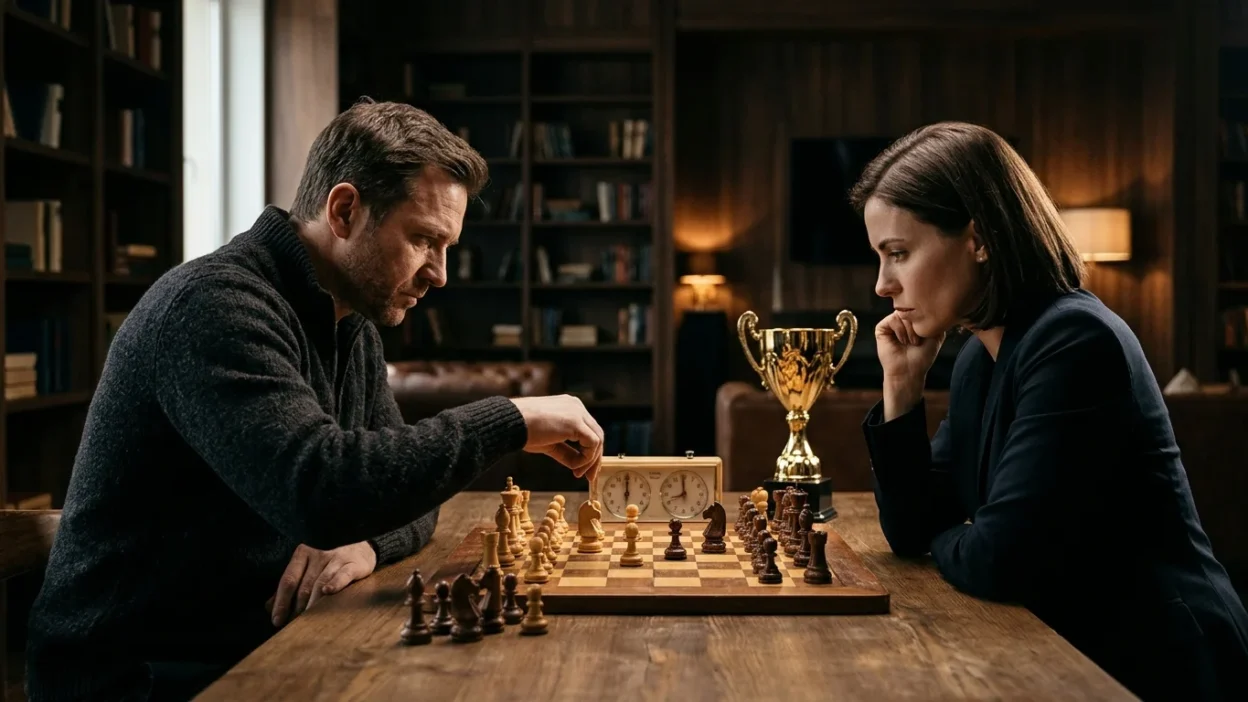
The phrase play for keeps is a common English idiom that means to take something seriously, compete with determination, or approach a situation with the intention of winning rather than simply having fun. When someone says, “I’m playing for keeps,” they mean they are serious about their goal and are not willing to treat the situation as a casual game. The expression is often used in sports, competitions, business, relationships, and everyday conversations.
Although the phrase originally relates to games in which winners keep what they win, its meaning has expanded over time. Today, it can describe anyone who is determined to succeed, achieve something important, or gain a lasting advantage. Understanding how to use play for keeps will help you recognize its meaning in conversations, books, movies, and other forms of communication.
Quick Answer: What Does Play for Keeps Mean?
Play for keeps means to compete seriously, with the intention of winning something valuable or achieving a meaningful result. It suggests determination, commitment, and a willingness to take risks. For example, “When the championship begins, our team plays for keeps” means the team is serious about winning.
What Does Play for Keeps Mean?
Play for keeps is an English idiom used when someone takes a competition, challenge, or situation seriously.
It suggests that a person is not participating just for entertainment or practice. Instead, they want a real result and are determined to achieve their objective.
The phrase can communicate several related ideas:
- Competing seriously rather than casually.
- Trying hard to achieve a goal.
- Taking risks to gain something valuable.
- Being determined to win.
- Treating a situation as important or consequential.
For example:
“Once the business negotiations started, both companies began to play for keeps.”
This means both companies were serious about securing the best possible outcome.
Origin and History of Play for Keeps
The expression play for keeps comes from traditional games in which players competed for objects they were allowed to keep if they won.
Unlike games played simply for entertainment, these contests involved something valuable to the participants. Winners kept the items they earned, while losers gave them up.
Over time, the phrase developed a broader figurative meaning. People began using it to describe serious competition and situations where winning or losing had meaningful consequences.
Today, play for keeps is widely understood in American English and appears in everyday conversations, sports commentary, entertainment, and business discussions.
How Is Play for Keeps Used in a Sentence?
Play for keeps can be used in several contexts depending on the situation.
1. In Sports and Competitions
The phrase often describes athletes or teams that are determined to win.
Examples:
- Our team is ready to play for keeps this season.
- The players started playing for keeps in the final round.
- When the championship is on the line, everyone plays for keeps.
- She is not competing just for fun; she plays for keeps.
2. In Business and Professional Life
In business, the expression suggests serious competition, ambitious goals, or high-stakes decisions.
Examples:
- The company is playing for keeps in the technology market.
- Our competitors are playing for keeps, so we must improve.
- The negotiations became serious when both sides started playing for keeps.
- If we want to lead the industry, we must play for keeps.
3. In Relationships
The phrase can describe someone who is serious about a romantic relationship or long-term commitment.
Examples:
- He told her he was dating for keeps.
- She wanted a partner who was ready to play for keeps.
- They were no longer interested in casual relationships.
- He made it clear that he was serious about their future.
4. In Everyday Conversations
People also use the expression when discussing personal goals, challenges, and important decisions.
Examples:
- I’m playing for keeps this time.
- If you want to achieve your dreams, you have to play for keeps.
- She entered the competition ready to play for keeps.
- This opportunity matters, and we are playing for keeps.
Play for Keeps: Grammar and Sentence Structure
Play for keeps is a verb phrase consisting of the verb play and the prepositional phrase for keeps.
The expression changes according to the subject and tense of the sentence.
| Grammatical form | Example |
|---|---|
| Base form | Play for keeps |
| Third-person singular | Plays for keeps |
| Present participle | Playing for keeps |
| Simple past | Played for keeps |
| Future | Will play for keeps |
Examples:
- Present: They play for keeps.
- Present continuous: They are playing for keeps.
- Past: They played for keeps.
- Future: They will play for keeps.
- Present perfect: They have played for keeps.
Notice that the expression remains recognizable even when the verb changes.
Play for Keeps vs Play for Fun
These expressions communicate opposite approaches to a game or competition.
| Feature | Play for Keeps | Play for Fun |
|---|---|---|
| Meaning | Compete seriously | Participate for enjoyment |
| Main purpose | Winning or achieving a result | Having a good time |
| Attitude | Determined and competitive | Relaxed and casual |
| Stakes | Often meaningful | Usually low |
| Example | We are playing for keeps. | We are playing for fun. |
For example:
- Play for keeps: The team wants to win the championship.
- Play for fun: The friends are playing basketball to enjoy themselves.
Similar Idioms and Expressions
Several English expressions have meanings similar to play for keeps.
1. Go All In
To commit fully to something without holding back.
Example: She decided to go all in on her business idea.
2. Give It Your All
To put maximum effort into an activity.
Example: He gave it his all during the final competition.
3. Mean Business
To be serious about achieving something.
Example: The new manager means business.
4. Pull Out All the Stops
To make every possible effort to achieve a result.
Example: The organizers pulled out all the stops to make the event successful.
5. Fight to Win
To make a determined effort to achieve victory.
Example: Our players are ready to fight to win.
6. Put Your Money Where Your Mouth Is
To take action that demonstrates you genuinely believe what you say.
Example: If you believe in your idea, put your money where your mouth is.
These expressions are related, but their meanings are not always identical. Choose the one that best fits your intended message.
Common Mistakes When Using Play for Keeps
Although the idiom is simple, some people misunderstand its meaning or use it in the wrong context.
Mistake 1: Thinking It Only Refers to Physical Games
Incorrect understanding: Play for keeps can only describe sports or board games.
Correct understanding: It can also describe business competition, relationships, and personal ambitions.
Mistake 2: Confusing It With Playing for Entertainment
Incorrect understanding: Playing for keeps means playing casually.
Correct understanding: It means competing seriously, often with something important at stake.
Mistake 3: Using the Wrong Verb Form
Incorrect: She play for keeps.
Correct: She plays for keeps.
Why? The third-person singular subject requires plays in the simple present tense.
Mistake 4: Treating It as a Literal Expression in Every Situation
The phrase is often figurative. When someone says, “Life is not a game, and we play for keeps,” they are emphasizing that real-life decisions can have serious consequences.
Is Play for Keeps Formal or Informal?
Play for keeps is an informal idiomatic expression.
It is commonly used in everyday conversations, sports discussions, entertainment, and business communication.
However, it can also appear in articles, books, interviews, and professional discussions when the writer wants to communicate determination or serious competition.
For highly formal academic writing, alternatives such as “compete seriously,” “pursue the objective with determination,” or “seek a decisive outcome” may be more appropriate.
Is Play for Keeps Common in American English?
Yes. Play for keeps is a well-established expression in American English.
American speakers use it when describing serious competition, important decisions, and situations where people have something meaningful to gain or lose.
The expression is also understood in British English and other varieties of English. There is no significant American-versus-British spelling difference because the phrase consists of ordinary English words.
Frequently Asked Questions
1. What does play for keeps mean in simple words?
Play for keeps means taking something seriously and trying to win or achieve a meaningful result. It suggests that someone is not participating just for entertainment but genuinely wants to succeed.
2. Is play for keeps a positive or negative expression?
It can be either positive or negative depending on the context. Positively, it describes determination and ambition. Negatively, it can suggest aggressive competition or a willingness to do whatever is necessary to win.
3. What does I’m playing for keeps mean?
“I’m playing for keeps” means “I’m serious about this, and I intend to win or achieve my goal.” It communicates confidence, determination, and a willingness to take the situation seriously.
4. What is the opposite of play for keeps?
The opposite is play for fun. While playing for keeps involves serious competition and meaningful outcomes, playing for fun means participating mainly for enjoyment rather than winning.
5. Is play for keeps an idiom?
Yes, play for keeps is an idiom. Its figurative meaning goes beyond the literal act of playing a game. It describes serious competition, determination, and situations where the outcome matters.
6. Can play for keeps be used in relationships?
Yes. It can describe someone who wants a serious, committed relationship rather than casual dating. For example, “She wanted a partner who was ready to play for keeps” suggests she wanted a lasting commitment.
7. What are some synonyms for play for keeps?
Similar expressions include go all in, mean business, give it your all, fight to win, and pull out all the stops. These phrases communicate determination, serious effort, or commitment to achieving a goal.
Remember This
- Play for keeps is an English idiom.
- It means competing seriously or trying to achieve an important result.
- It originally related to games where winners kept what they won.
- It can describe sports, business, relationships, and personal goals.
- Its opposite is play for fun.
- It is commonly used in American English.
Conclusion
The phrase play for keeps means taking a competition, challenge, or situation seriously because the outcome matters. It suggests determination, commitment, and a strong desire to win or achieve something valuable. Although the expression originally referred to games where winners kept their prizes, its modern meaning extends to sports, business, relationships, and everyday life.
When someone says they are playing for keeps, they are communicating that they are serious about their intentions and are not simply participating for entertainment. Remember this meaning, explore the examples, and use the expression naturally when describing situations where success genuinely matters.