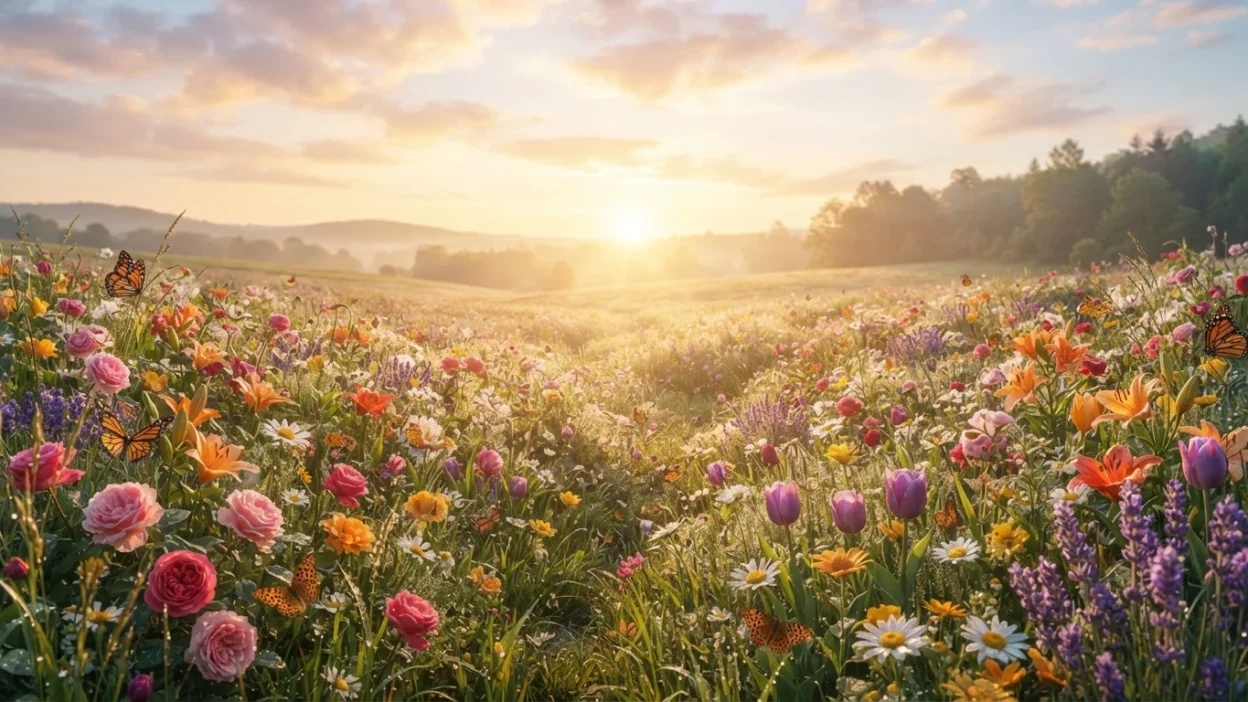
Flowers have captivated people for centuries with their beauty, fragrance, and delicate nature. Flower symbolism appears in religious teachings, mythology, literature, art, and cultures around the world, representing love, beauty, hope, growth, and the cycle of life. From blooming gardens to wild meadows, flowers remind us that even the most beautiful things often begin as tiny seeds and flourish with time and care. Understanding flower symbolism reveals why flowers continue to inspire joy, faith, and personal transformation across generations.
Flower Symbolism Meaning (Clear Definition)
Flower symbolism refers to the symbolic meanings and messages associated with flowers in different cultures, religions, spiritual traditions, and historical beliefs. Because flowers bloom, spread beauty, and eventually fade, they have become universal symbols of love, renewal, hope, purity, and life’s changing seasons.
Depending on the context, a flower may symbolize joy, gratitude, peace, spiritual growth, or new beginnings.
| Symbolic Meaning | What It Represents |
|---|---|
| Love | Affection, kindness, and deep relationships |
| Beauty | Grace, elegance, and appreciation |
| Hope | Optimism and brighter days ahead |
| Renewal | Fresh beginnings and personal growth |
| Joy | Happiness and celebration |
| Purity | Innocence and sincerity |
| Gratitude | Thankfulness and appreciation |
| Spiritual Growth | Faith, transformation, and inner peace |
These symbolic meanings have made flowers among the world’s most cherished natural symbols.
What Does Flower Symbolism Represent?
Flower symbolism represents life’s beauty, growth, and the importance of embracing every season. Just as flowers bloom after careful nurturing, they remind us that patience and perseverance often lead to wonderful outcomes.
Some of its most common symbolic meanings include:
- Love and affection
- Beauty and grace
- Hope and encouragement
- Personal growth
- Renewal and transformation
- Gratitude
- Peace and harmony
- Spiritual maturity
Flowers encourage us to appreciate life’s blessings and share kindness with others.
Spiritual Meaning of Flower Symbolism
Spiritually, flowers symbolize God’s creativity, renewal, and the beauty of spiritual growth. Their blooming reminds believers that faith can flourish even after difficult seasons.
Many spiritual traditions associate flowers with:
- Divine blessings
- Faith
- Hope
- Joy
- Inner peace
- Renewal
- Healing
- Eternal beauty
A blooming flower often serves as a reminder that God can bring beauty and purpose into every stage of life.
Biblical / Religious Meaning of Flower Symbolism
Flowers appear throughout the Bible as reminders of God’s creativity, provision, and the beauty of His creation. They also teach valuable lessons about humility, trust, and the temporary nature of earthly life.
From a biblical perspective, flower symbolism may represent:
- God’s creation
- Beauty
- Faith
- Hope
- Renewal
- Spiritual growth
- Humility
- Eternal life
Jesus referred to the flowers of the field to illustrate God’s loving care and faithful provision. Their beauty reminds believers to trust God’s wisdom and recognize His attention to every detail of creation.
In many other religious traditions, flowers symbolize purity, enlightenment, compassion, devotion, and spiritual awakening.
Flower Symbolism in History and Culture
Flowers have held symbolic importance throughout history.
Ancient Egypt
Flowers symbolized life, rebirth, beauty, and divine blessing. Lotus flowers, in particular, represented creation and renewal.
Ancient Greece
Greek mythology connected flowers with love, beauty, youth, and transformation. Many flowers were associated with gods, goddesses, and legendary stories.
Chinese Culture
In Chinese tradition, flowers symbolize prosperity, happiness, harmony, longevity, and good fortune. Different flowers carry unique symbolic meanings.
Japanese Culture
Flowers represent simplicity, respect for nature, gratitude, and the appreciation of life’s fleeting beauty.
Native American Traditions
Many Native American leagues honor flowers as symbols of healing, gratitude, harmony, and the sacred beauty of the natural world.
Modern Perspectives
Today, flowers symbolize love, friendship, celebration, remembrance, encouragement, environmental appreciation, and emotional well-being.
Flower Symbolism in Literature and Art
Flowers have inspired poets, authors, and artists for centuries because they naturally represent beauty and emotion.
In literature, flower symbolism often represents:
- Love
- Hope
- Beauty
- Growth
- Renewal
- Joy
- Faith
Artists frequently paint blooming gardens, wildflowers, and floral arrangements to express peace, gratitude, romance, and the beauty of life. Modern literature and visual art continue using flowers as symbols of transformation, compassion, and optimism.
Dream Meaning of Flower Symbolism
Dreaming about flowers often reflects your emotions, relationships, or personal growth. The condition and appearance of the flowers influence the interpretation.
| Dream Scenario | Possible Meaning |
|---|---|
| Seeing blooming flowers | Happiness, growth, and new opportunities |
| Receiving flowers | Love, appreciation, and encouragement |
| Planting flowers | Investing in your future and personal growth |
| A colorful flower garden | Joy, abundance, and emotional well-being |
| White flowers | Peace, purity, and spiritual renewal |
| Fresh flowers | Hope and positive life changes |
| Walking through flowers | Contentment, gratitude, and inner peace |
Dream meanings vary depending on your personal experiences and current life circumstances.
Modern Meaning of Flower Symbolism
Today, flower symbolism continues to inspire people through its timeless messages of beauty and renewal.
Modern meanings include:
- Self-care
- Personal growth
- Love and friendship
- Gratitude
- Compassion
- Emotional healing
- Creativity
- Hope
- New beginnings
Flowers remind us that kindness, patience, and care can produce lasting beauty in our lives and relationships.
Quick Summary of Flower Symbolism
- Love and affection
- Beauty and grace
- Hope and optimism
- Renewal and transformation
- Joy and celebration
- Gratitude and appreciation
- Spiritual growth
- Peace and harmony
- Faith and trust
- New beginnings
Frequently Asked Questions
What does a flower symbolize?
A flower commonly symbolizes love, beauty, hope, renewal, gratitude, joy, faith, and spiritual growth across many cultures and religions.
Are flowers considered good symbols?
Yes. Flowers are widely regarded as positive symbols of happiness, love, encouragement, celebration, and personal growth.
What is the spiritual meaning of flowers?
Spiritually, flowers represent God’s beauty, renewal, hope, faith, healing, joy, and the flourishing of spiritual life.
What does dreaming about flowers mean?
Dreaming about flowers often symbolizes happiness, emotional healing, new beginnings, meaningful relationships, or spiritual growth.
Why are flowers important in different cultures?
Flowers are important because they symbolize beauty, love, prosperity, gratitude, remembrance, celebration, and the natural cycle of life.
Conclusion
Flower symbolism has inspired humanity throughout history because it reflects life’s beauty, hope, and continual renewal. Whether explored through religious teachings, ancient civilizations, literature, dreams, or modern culture, flowers remind us that growth often comes through patience and care. Their timeless message encourages us to appreciate life’s blessings, nurture meaningful relationships, and bloom wherever we are planted.

Matthew Collins is a Christian author who writes inspiring articles centered on faith, prayer, and biblical encouragement. He is passionate about helping readers apply God’s Word to their daily lives with confidence and hope. His writing combines practical Christian advice with Scripture-based insights that uplift and strengthen believers. Matthew has years of experience creating devotional content for Christian audiences worldwide. He believes that even short prayers can transform lives through God’s power. His approachable writing style makes biblical truths accessible to everyone. In his free time, he enjoys studying theology, hiking, and serving in community outreach programs. His mission is to encourage people to trust God wholeheartedly and live with unwavering faith.