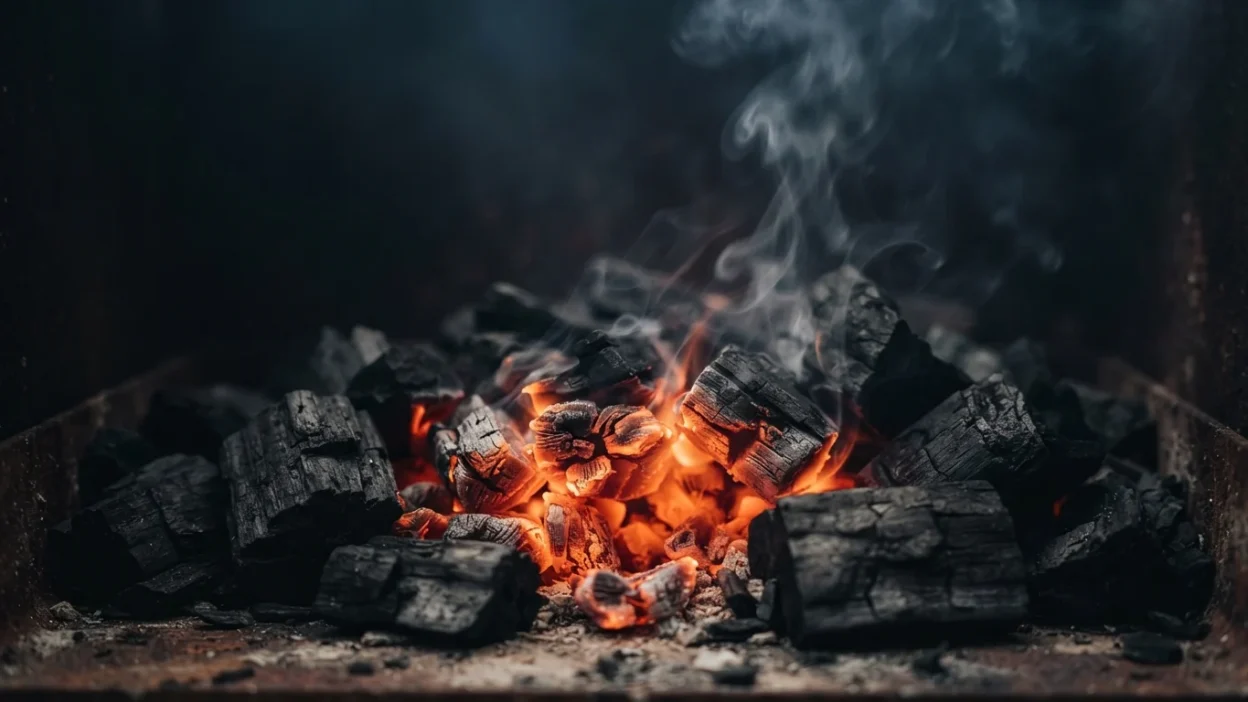
Charcoal is dark, simple, and closely connected with fire, transformation, and renewal. Charcoal symbolism commonly represents purification, resilience, transformation, hidden potential, endurance, and the aftermath of change. From ancient fires to modern art, charcoal can carry both practical and symbolic meaning, reminding us that something transformed by heat can still retain value and purpose.
Charcoal Symbolism Meaning (Clear Definition)
Charcoal symbolism refers to the meanings and ideas associated with charcoal in spiritual traditions, culture, literature, art, and everyday life. Created when wood is transformed through intense heat, charcoal naturally suggests themes of change, endurance, purification, and transformation.
In simple terms, charcoal can symbolize strength that remains after transformation.
| Symbolic Meaning | What It Represents |
|---|---|
| Transformation | Change through intense experiences |
| Resilience | Enduring difficult circumstances |
| Purification | Cleansing and removing impurities |
| Endurance | Strength that lasts |
| Hidden Potential | Possibilities within something ordinary |
| Renewal | Beginning again after change |
| Mystery | Darkness and the unknown |
| Creativity | Artistic expression and imagination |
What Does Charcoal Symbolism Represent?
Charcoal symbolism represents what remains after something has passed through a transformative process. Its dark appearance can suggest mystery, while its connection with fire gives it associations with strength and renewal.
Common meanings include:
- Transformation
- Resilience
- Endurance
- Purification
- Hidden potential
- Mystery
- Renewal
- Creativity
Charcoal can therefore symbolize a person or situation that has experienced change but still possesses strength and value.
Spiritual Meaning of Charcoal Symbolism
Spiritually, charcoal can represent purification, refinement, endurance, and transformation. Fire changes wood into charcoal, making the material a natural metaphor for experiences that reshape a person.
Charcoal symbolism may represent:
- Spiritual refinement
- Purification
- Resilience
- Transformation
- Endurance
- Renewal
- Inner strength
- Wisdom gained through experience
Its symbolism can encourage the idea that difficult seasons may lead to growth, wisdom, and renewed purpose.
Biblical / Religious Meaning of Charcoal Symbolism
Charcoal and burning coals appear in biblical imagery, although their meanings depend strongly on context.
In the Bible, burning coals can be connected with purification, judgment, God’s presence, or powerful imagery. One notable example is the story of Isaiah, where a burning coal is used in a symbolic act of purification.
Charcoal also appears in the Gospel of John, where Jesus prepares a charcoal fire by the Sea of Galilee. This setting becomes part of Peter’s restoration story.
From a Christian symbolic perspective, charcoal may therefore suggest:
- Purification
- Restoration
- Refinement
- Spiritual transformation
- God’s presence
- Renewal
These meanings depend on the particular biblical passage rather than representing one universal definition.
Charcoal Symbolism in History and Culture
Charcoal has been important to human civilization for thousands of years because of its connection with fire, cooking, heating, metallurgy, and craftsmanship.
Ancient Cultures
Charcoal played a practical role in early metalworking and fire-based technologies. Its connection with transformation made it an important material in developing civilizations.
Traditional Craftsmanship
Charcoal has historically represented hard work, craftsmanship, fire, and the ability to transform raw materials into something useful.
Artistic Tradition
Artists have used charcoal as a drawing material for centuries. This gives it another symbolic association with creativity, expression, impermanence, and the raw process of creating art.
Modern Culture
Today, charcoal can symbolize simplicity, natural materials, sustainability, artistic creativity, and transformation.
Charcoal Symbolism in Literature and Art
Charcoal has a particularly strong connection with visual art. Charcoal drawings often use deep shadows, dramatic contrasts, and expressive marks.
In literature and art, charcoal symbolism may represent:
- Mystery
- Darkness
- Memory
- Transformation
- Creativity
- Impermanence
- Raw emotion
- Resilience
An artist’s charcoal sketch can symbolize the beginning of an idea before it becomes a finished work.
Dream Meaning of Charcoal Symbolism
Dreaming about charcoal may symbolize transformation, unresolved experiences, endurance, or something valuable hidden beneath a dark exterior.
| Dream Scenario | Possible Meaning |
|---|---|
| Seeing charcoal | Transformation or hidden potential |
| Burning charcoal | Energy, change, or intense emotions |
| Holding charcoal | Personal strength or responsibility |
| Drawing with charcoal | Creativity and self-expression |
| Finding charcoal | Discovering something useful or meaningful |
| Extinguished charcoal | Completion, rest, or a change of direction |
| Glowing charcoal | Hope and potential beneath the surface |
Dream interpretations are personal and depend on the dreamer’s circumstances and emotions.
Modern Meaning of Charcoal Symbolism
Today, charcoal symbolism appears in art, design, spirituality, environmental discussions, and everyday imagery.
Modern meanings include:
- Resilience
- Transformation
- Minimalism
- Creativity
- Strength
- Simplicity
- Renewal
- Hidden potential
- Endurance
Charcoal’s understated appearance can also represent quiet strength—the ability to remain valuable without appearing bright or attention-seeking.
Quick Summary of Charcoal Symbolism
- Transformation
- Resilience
- Purification
- Endurance
- Hidden potential
- Renewal
- Mystery
- Creativity
- Inner strength
- Refinement
Frequently Asked Questions
What does charcoal symbolize?
Charcoal commonly symbolizes transformation, resilience, purification, endurance, hidden potential, mystery, creativity, and renewal.
What is the spiritual meaning of charcoal?
Spiritually, charcoal can represent purification, refinement, restoration, transformation, endurance, and inner strength.
Is charcoal mentioned in the Bible?
Charcoal or burning coals appear in several biblical passages, including imagery connected with purification and a charcoal fire associated with Peter’s restoration.
What does charcoal symbolize in art?
In art, charcoal can symbolize creativity, raw expression, darkness, contrast, impermanence, and the early stages of an idea.
What does dreaming about charcoal mean?
Dreaming about charcoal may symbolize transformation, resilience, hidden potential, creativity, or something from the past that is being processed or changed.
Conclusion
Charcoal symbolism reflects the strength that can remain after transformation. Created through heat and closely connected with fire, charcoal represents endurance, purification, renewal, creativity, and hidden potential. Whether viewed through spirituality, biblical imagery, history, art, or dreams, charcoal reminds us that transformation can leave behind something valuable and meaningful.

Matthew Collins is a Christian author who writes inspiring articles centered on faith, prayer, and biblical encouragement. He is passionate about helping readers apply God’s Word to their daily lives with confidence and hope. His writing combines practical Christian advice with Scripture-based insights that uplift and strengthen believers. Matthew has years of experience creating devotional content for Christian audiences worldwide. He believes that even short prayers can transform lives through God’s power. His approachable writing style makes biblical truths accessible to everyone. In his free time, he enjoys studying theology, hiking, and serving in community outreach programs. His mission is to encourage people to trust God wholeheartedly and live with unwavering faith.